
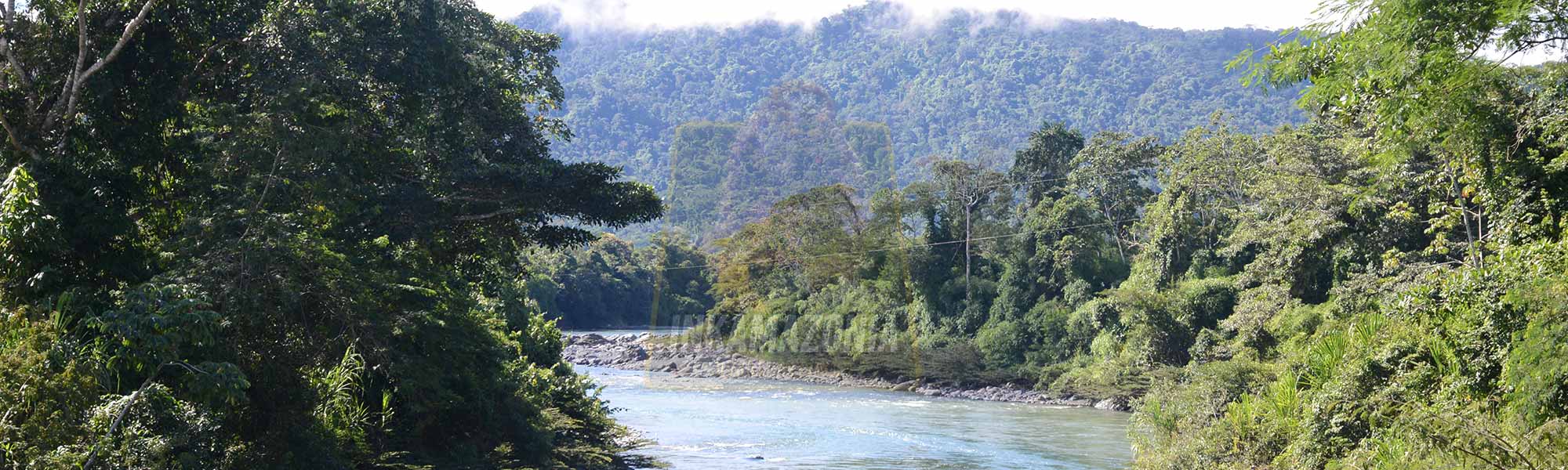
We are a local grassroots organization that has been dedicated since 2005 to conserving and restoring Amazonian forests, fostering sustainable economic alternatives for native communities, and supporting environmental education for children, youth, and adults. We are pioneers in protecting the extraordinary biological diversity of one of the planet's richest biodiversity hotspots: the Southern Peruvian Andean-Amazon transition zone, bridging science and ecotourism to guide our multifaceted strategy toward rainforest restoration and conservation across Peru.
As a local Peruvian grassroots organization, Inkamazonia Ecological Center is actively committed to biodiversity conservation and sustainable tourism:
Protecting and understanding biodiversity across all ecosystems in which we operate.
Promoting sustainable lifestyles and equitable local development through eco-conscious activities such as ecotourism and scientific fieldwork.
Fostering environmental consciousness, responsibility, and conservation education among local native communities.
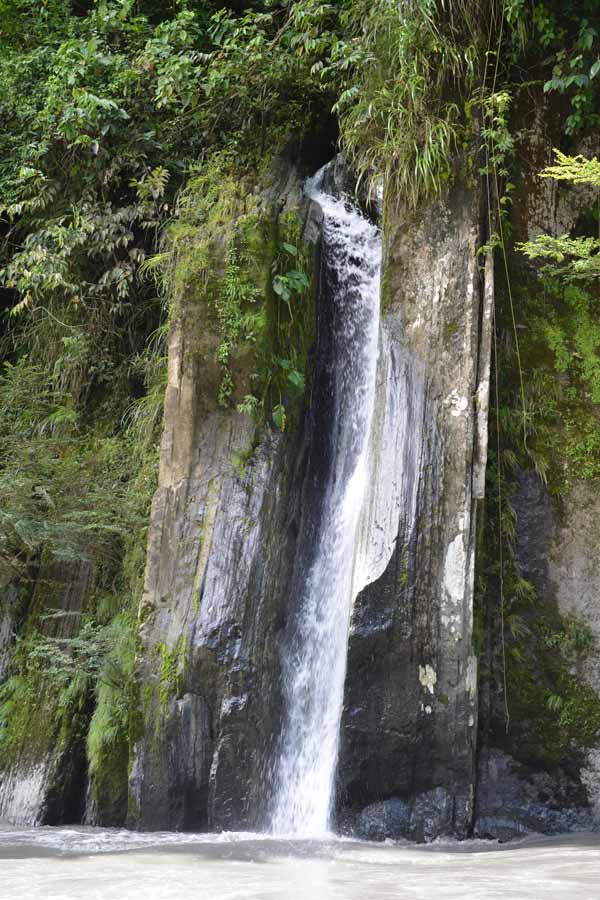
Integrating biological science, sustainable tourism, and local native communities to safeguard the Manu Biosphere Reserve.
Inkamazonia Ecological Center aims to conserve the existing biodiversity in the Buffer Zone of Manu by integrating science, tourism and the local population.
To be a model organization in developing friendly activities through conservation and tourism.
To accomplish these conservation goals, Inkamazonia conducts low-impact initiatives focused on environmental protection and the sustainable stewardship of natural resources: ecological forest restoration, scientific fieldwork, ecotourism expeditions, experiential and scientific travel, professional birdwatching, white-water rafting, and international volunteering programs.

Prime location in the Manu Biosphere Buffer Zone boasting world-record biological richness.
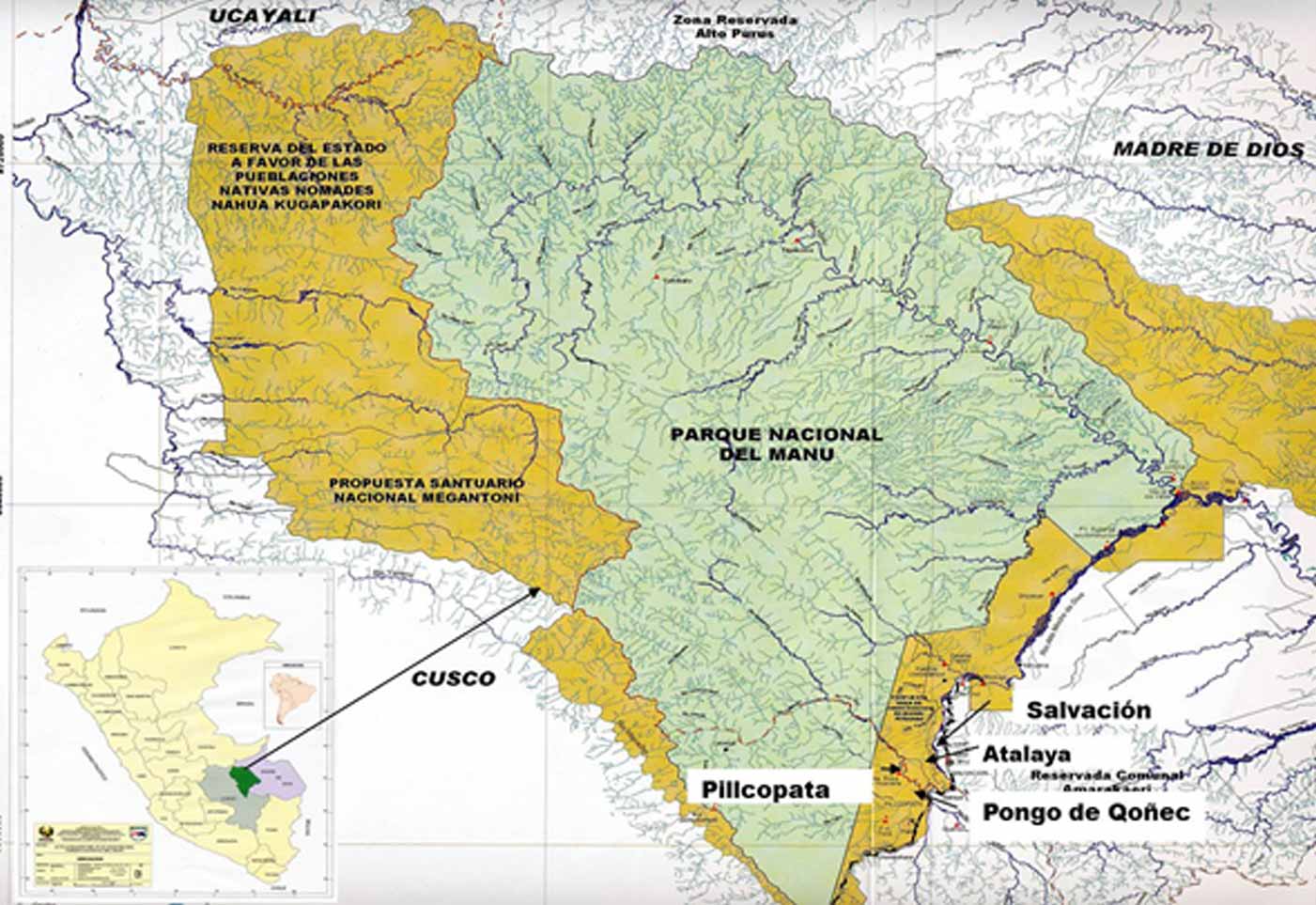
The INKAMAZONIA reserve is situated in the Pongo de Qoñec sector on the right bank of the Alto Madre de Dios River, 7 km from the town of Pillcopata, Kosñipata District, Paucartambo Province, Department of Cusco.
INKAMAZONIA encompasses a rich mosaic of natural habitats across diverse elevations, transitioning from lowland humid rainforest through sub-montane premontane forest up to montane ridge-top canopy. This biological gradient ascends from 500 meters to approximately 1,200 meters above sea level, located within the official Buffer Zone of the Manu Biosphere Reserve.
The reserve maintains an average annual temperature of 23.97 °C and mean annual precipitation of 3,914.9 mm, characterized by distinct seasonal cycles—heavy rains from December through April, and drier conditions from May to November (INRENA & PRO-MANU, 2004). Geologically, these foothills represent the final eastern ridges of the Paucartambo Mountain Range, extending toward the Fitzcarrald Isthmus and Pantiacolla ridge, with acrisol soils originating between the Upper Paleozoic and Upper Tertiary (approx. 250 to 15 million years ago).
One of the most extraordinary scientific discoveries at INKAMAZONIA is the third most tree-diverse 1-hectare permanent monitoring plot on Earth, harboring 252 tree species with DBH ≥ 10 cm (Huamantupa, 2010)—surpassed globally only by the Yanamono and Mishana plots in Iquitos (289–300 tree species per hectare).
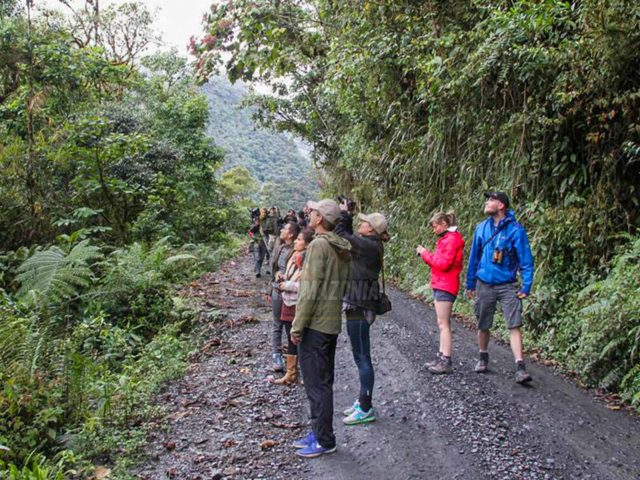
INKAMAZONIA ECOLOGICAL CENTER is staffed by a dedicated multidisciplinary team specializing in the botany, zoology, and ecology of Andean-Amazonian ecosystems, alongside certified naturalist guides with extensive wilderness experience. To deliver exceptional educational and field standards, we collaborate closely with resident scientists and native guides whose deep regional knowledge drives our mission to conserve and restore Peru's native rainforests.

Through our sustainable ecotourism programs, we lead extraordinary journeys beginning in the historic city of Cusco, traversing inter-Andean valleys, pre-Inca archaeological sites, high-altitude grasslands, and misty cloud forests before descending into the pristine lowland Amazon along the Alto Madre de Dios River and oxbow lakes. Our core field operations are based at Inkamazonia Ecological Center and the surrounding Pongo de Qoñec canyon within the Kosñipata Valley.
 4 Days / 3 Nights
Adventure & Rafting
4 Days / 3 Nights
Adventure & Rafting 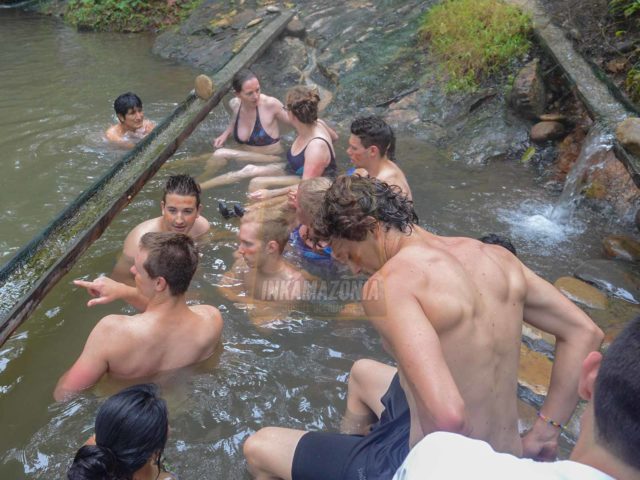 4 Days / 3 Nights
Hot Springs & Nature
4 Days / 3 Nights
Hot Springs & Nature 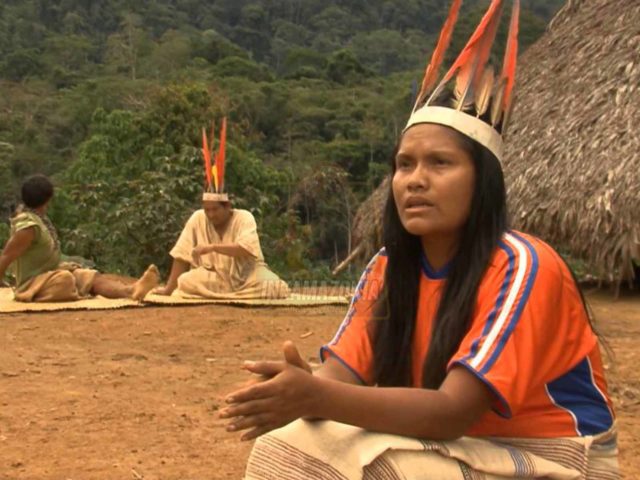 4 Days / 3 Nights
Native Communities
4 Days / 3 Nights
Native Communities 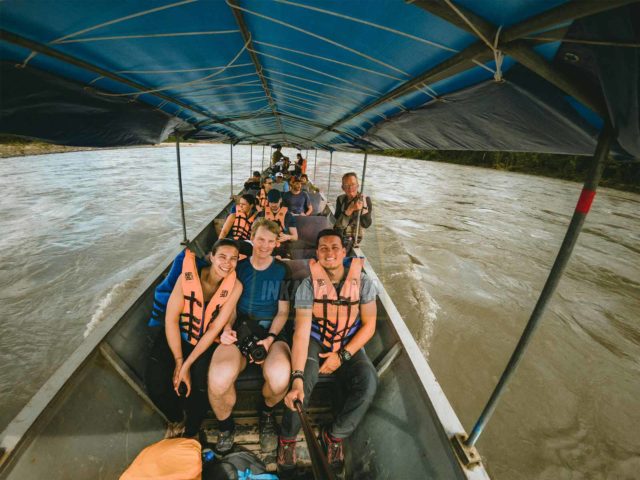 4 Days / 3 Nights
Classic Ecotourism
4 Days / 3 Nights
Classic Ecotourism  3 Days / 2 Nights
Short Expedition
3 Days / 2 Nights
Short Expedition 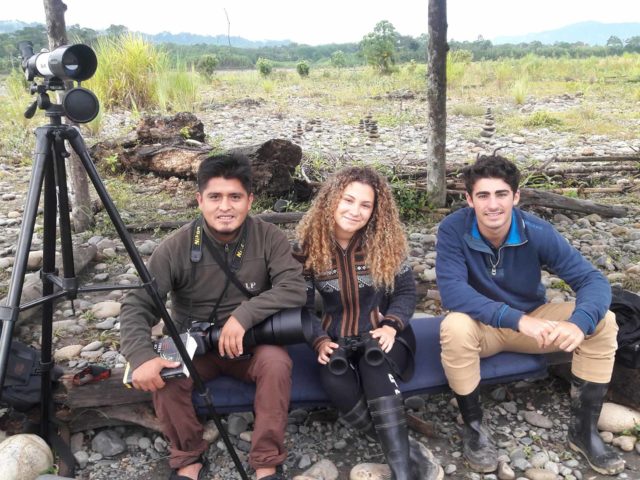 7 Days / 6 Nights
Integral Reserve
7 Days / 6 Nights
Integral Reserve Botanical and ecological leadership for the long-term conservation of the Alto Madre de Dios basin.

Scientific Director & Senior Botanical Researcher
Senior botanist and ecologist specializing in the flora and vegetation dynamics of the Andean-Amazonian transition zones of Manu and Kosñipata. Lead researcher of the 1-hectare permanent forest monitoring plot (252 tree species per hectare) and founding director of Inkamazonia's ecological restoration and conservation education initiatives.
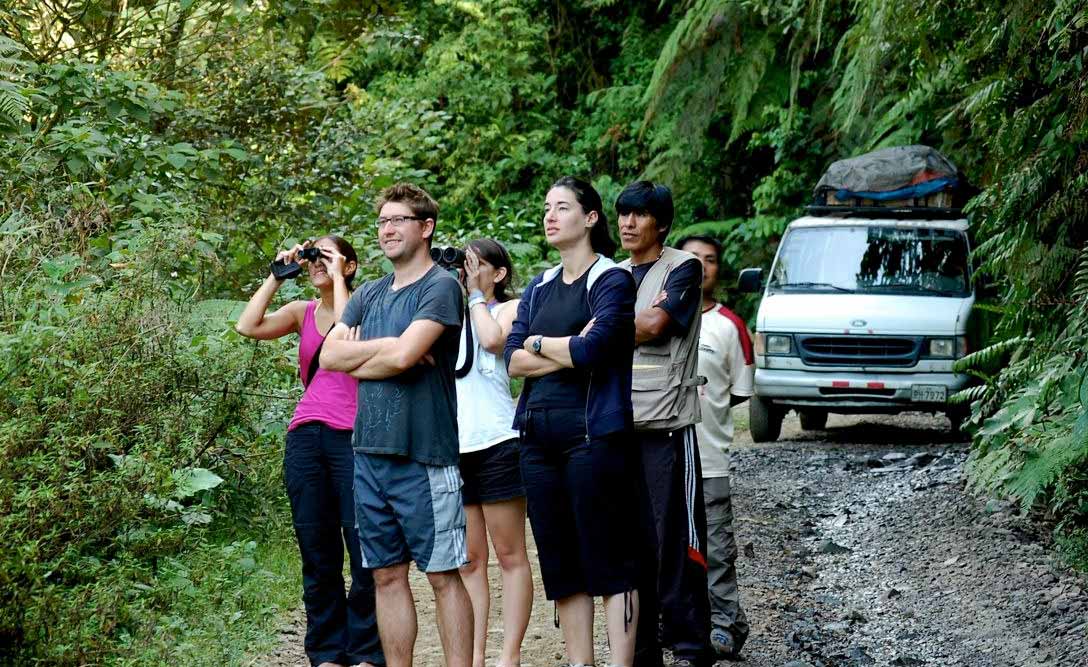
Whether you are planning an immersive ecotourism expedition, an academic volunteer program, or independent scientific research at Inkamazonia Ecological Center, our team is ready to assist you directly.