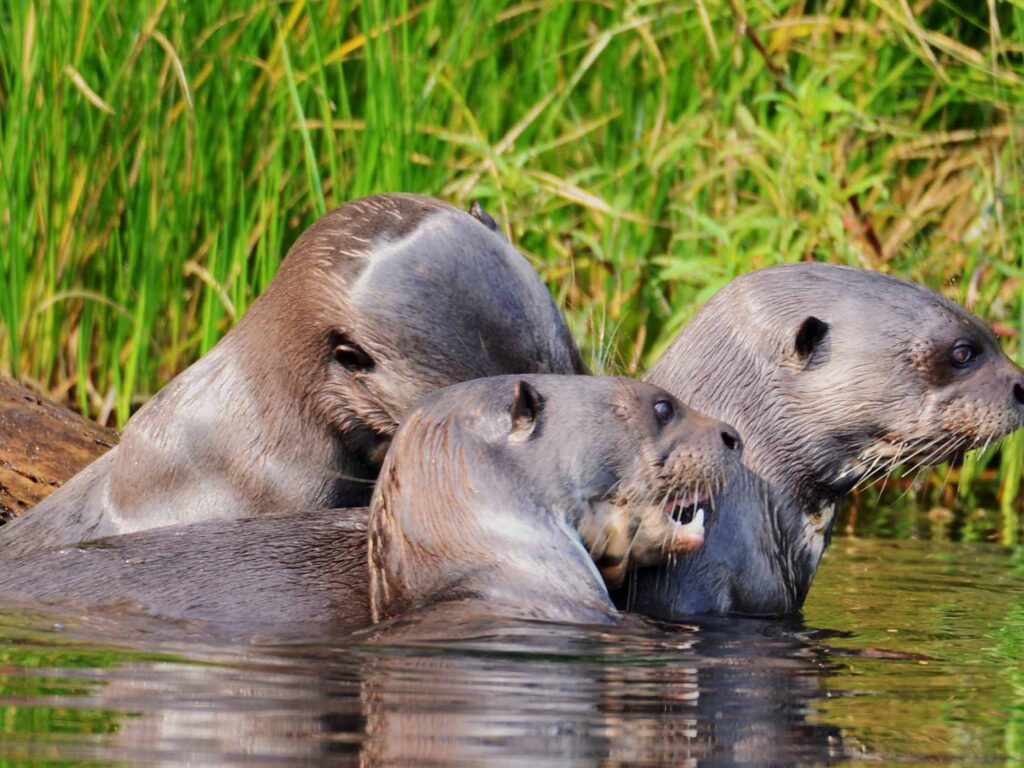


The engine of our motorized wooden dugout canoe was cut to an idle, leaving only the hypnotic rhythm of the Manu River current and the soft chorus of early morning insects. The mist was rising like silver vapor from the surface of the water, revealing towering kapok and cedar trees draped in heavy lianas.
The Sacred Solitude of the Reserved Zone
Unlike secondary rainforests or easily accessible tourist hubs, the Reserved Zone of Manu National Park in southeastern Peru is one of the most strictly protected wilderness areas on Earth. Access is strictly controlled, and motorized river travel requires licensed naturalist guides who understand the intricate behaviors of wildlife that have never learned to fear human presence.
We had departed our wilderness camp at 5:15 AM, sipping rich Peruvian highland coffee while our boatman steered past sandbars dotted with black skimmers, wandering yellow-billed terns, and nesting side-necked river turtles. In Manu, early mornings are when the primary forest reveals its greatest secrets.
«When you travel deep into Manu, you are not visiting a zoo or a fenced reserve. You are stepping into an ancient sanctuary where nature operates on its own terms, untouched by roads or human settlements.»
The Sighting: Amber Eyes on the White Sandbar
Suddenly, Lincoln, our head naturalist guide and founder of Inka Amazonia, raised a quiet hand and gestured toward a wide gravel beach approximately seventy meters ahead. Sitting motionless in the golden morning light, camouflaged against the bleached driftwood, was a colossal male Panthera onca—the South American Jaguar.
Its muscular shoulders rippled with every deliberate shift of weight, and its rosette-patterned coat gleamed in the sun. For fifteen breathless minutes, our boat drifted downstream in complete silence. The great cat watched us with calm indifference, occasionally scanning the muddy waterline for unsuspecting capybaras or white-lipped peccaries before stretching lazily and disappearing into the dense bamboo thicket.


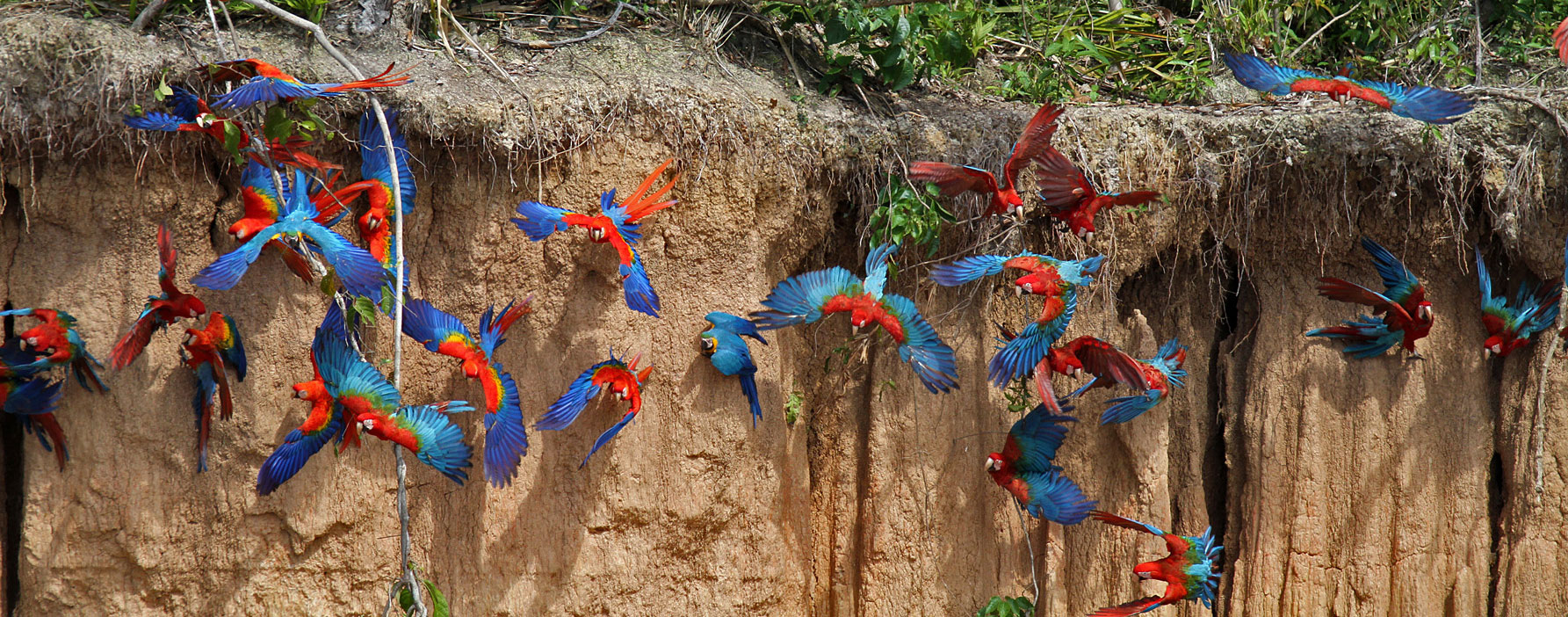

Key Highlights of Manu River Wildlife Watching
- Unparalleled Apex Encounters: Manu River is globally renowned as one of the best locations on Earth for daylight jaguar sightings during the dry season (May to October).
- Rich Flocks Along Sandbars: Observe roseate spoonbills, jabiru storks, and southern screamers resting alongside sunbathing black caimans.
- Expert Local Tracking: Native guides from the region read paw prints in wet mud, detect warning calls from dusky titi monkeys, and position boats for optimal photography without disturbing the animals.
Traveler Advice for Your Manu Expedition
If observing wild jaguars is on your travel bucket list, timing and patience are paramount. Expeditions spending at least four to six days within the Reserved Zone dramatically increase your probabilities of high-quality riverbank encounters.
Carry a telephoto lens (at least 300mm to 600mm) protected in a water-resistant dry bag, keep your camera batteries fully charged, and maintain absolute silence when navigating river bends. The Amazon rewards those who wait quietly and respect the tempo of the wilderness.